Aardsbloed: The Story Behind Buktika
Herman van der Merwe stood in a wound in the earth. Not a metaphor, but a literal scar in the South African landscape: degraded, bleeding sediment into the rivers, carrying the heavy silence of land that had been used and forgotten. Around it, the system looked busy: meetings, paperwork, money moving between hands that never touched the soil. The wound stayed open while the restoration looked good only on paper.
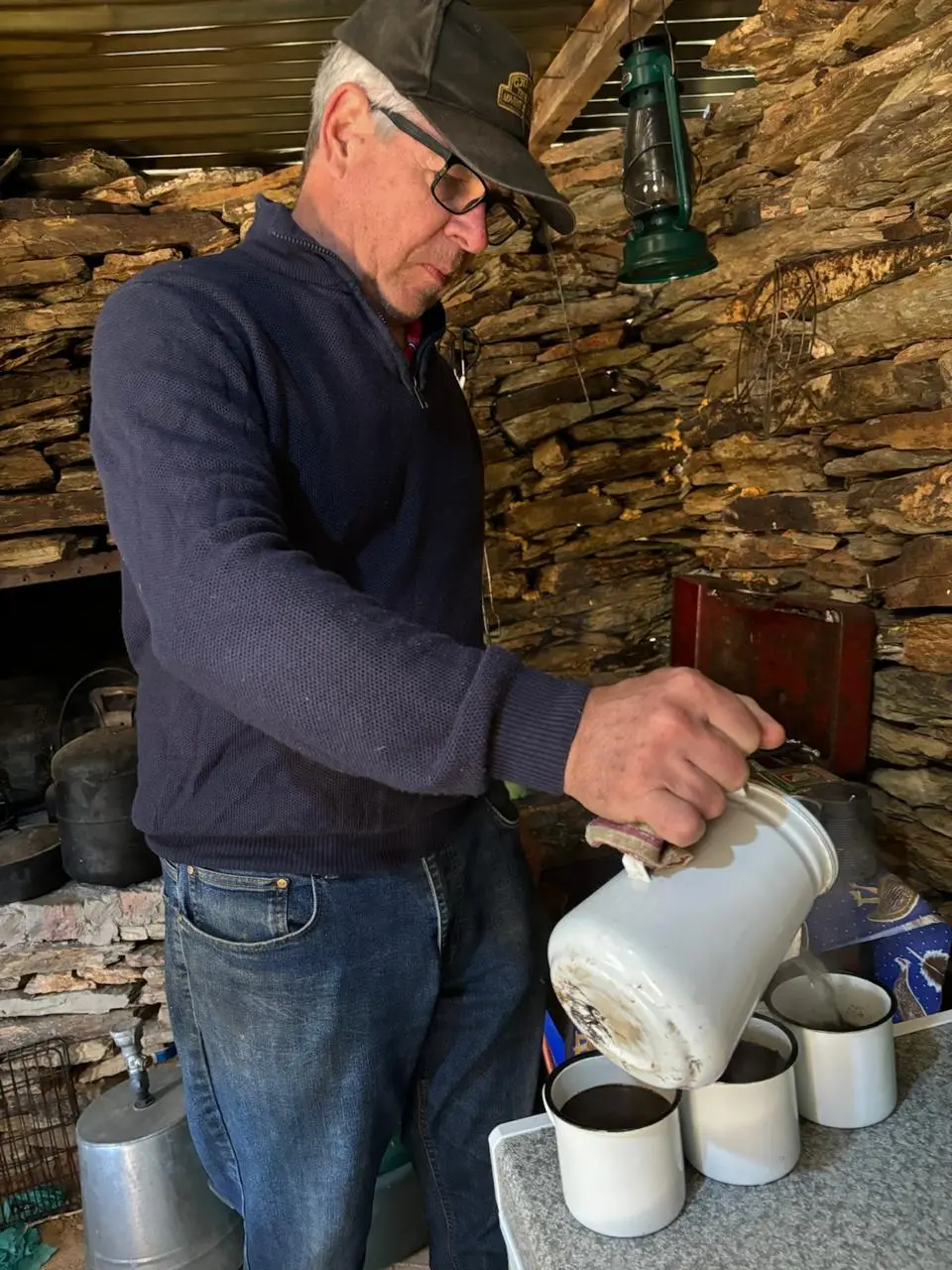
That is where the anger started. Not in an office, but in the dust. He had spent thirty-five years at the intersection of engineering and corporate systems. He understood the language of compliance, ISO standards, and the requirements of modern business. But he had also spent years in the townships, sponsoring youth camps and sitting at kitchen tables with people who needed more than a handout. They needed dignity.
He saw a pattern: when young people from broken homes put their hands in the earth to heal a wound in nature, they began to heal themselves. The question that cut through the anger was simple: "What if the money actually reached the land?"
Boots on the ground.
Hands on the plow.
Flower in the hair.
Herman walked away from the security of the corporate world because he could no longer unsee the wound. He traded his job, his salary, and the comfortable fit of the worldly view of business for a new rhythm, one that belongs to the land and to the people on it.
For the farmer in Steytlerville, the message is simple: Herman has aardsbloed. He has walked your dusty land and knows your struggle with the land. For the corporate investor, he knows your systems and your legal requirements. He built a bridge between the two because the land needs both to survive.
Dignity is not given. It is grown. One hectare at a time.